

Can You Get Life Insurance After 60 in Ireland?
If you’re over 60 and thinking about taking out life insurance, you might be wondering whether it’s still possible to get cover, and
whether it will be affordable.
The good news is that turning 60 doesn’t automatically mean you’re too old to get life insurance in Ireland. Depending on your age, health, medical history and the type of cover you need, there may still be options available.
While premiums generally increase with age, it’s worth understanding the different types of life insurance available before assuming
that a guaranteed-acceptance policy is your only choice.
At Emero, our advisers can help you explore your options and compare suitable policies from a range of providers, based on your individual circumstances.
Life Insurance Ireland
Compare Life Insurance options from a range of leading providers, with personal advice from an Emero adviser.
Prefer to Speak to Us?
Have a question or prefer to speak to an adviser? Give us a call or WhatsApp us.

Is 60 Too Old to Get Life Insurance In Ireland?
No. Many people in their 60s can still apply for life insurance, although acceptance will depend on the insurer’s eligibility criteria and assessment of your circumstances.
As you get older, there are a few things to consider:
- The cost of cover: Premiums generally increase with age, as insurers assess the likelihood of a claim during the policy term.
- The length of the policy: Some insurers place limits on the age at which a policy can start or finish, which may affect the term available.
- Your health and medical history: Existing medical conditions, medication, smoking status and previous treatment can all influence an application.
- The amount of cover you need: Your financial commitments and the reason you want insurance will help determine the level of protection to consider.
Different insurers assess applications in different ways. Being over 60 doesn’t automatically rule you out, and having a medical condition doesn’t necessarily mean your application will be declined.
The important thing is to understand which options may be suitable before making a decision.
What Types of Life Insurance Are Available After 60?
The right type of life insurance will depend on what you want the policy to achieve. Two options worth understanding are term life insurance and whole of life insurance.
1. Term Life Insurance
Term life insurance provides cover for a set period, such as 10 or 15 years.
If you die during the policy term, the insurer pays the agreed benefit, subject to the policy’s terms and conditions.
For someone in their 60s, term life insurance may be worth considering if they want to:
- Provide financial support for a spouse or partner.
- Help cover outstanding debts or a remaining mortgage.
- Leave a lump sum to help family members with future expenses.
- Provide financial protection for a specific period.
The availability, cost and maximum term of cover will depend on the insurer’s criteria, your age and your personal circumstances.
2. Whole of Life Insurance
Whole of life insurance is designed to provide cover throughout your lifetime, provided the policy remains in force and its terms and conditions are met.
Unlike term life insurance, which ends after an agreed period, whole of life cover is intended to pay a benefit whenever you die.
People may consider this type of policy to help with funeral expenses, leave money to family members or support certain estate-planning objectives.
However, whole of life policies can have significantly different premium structures and conditions. Some premiums are guaranteed, while others may be reviewable and could increase over time.
Before taking out a whole of life policy, make sure you understand how the premiums work, whether they can change, and whether the cover remains affordable over the long term.
What About Life Insurance for Over 60s With No Medical Questions?
You may have seen advertisements for life insurance aimed specifically at people over 50 or over 60, including policies that don’t require medical questions.
These plans can be worth exploring in certain circumstances, particularly if obtaining traditional life insurance is difficult because of your health or medical history.
However, it’s important to understand what you’re getting in return for the simplified application process.
Depending on the policy, you may find that:
- The maximum amount of cover available is limited.
- Premiums are relatively high compared with the benefit provided.
- Special conditions or restrictions apply during an initial period.
- The policy offers a different type of protection from traditional life insurance.
Not every policy marketed to older people works in the same way, so it’s essential to read the specific terms and conditions.
If you’re in reasonably good health, it may also be worth exploring traditionally underwritten life insurance before deciding that a no-medical policy is your only option.
Comparing the available choices can help you understand the differences in cost, cover and eligibility.
1. Term Life Insurance
Term life insurance provides cover for a set period, such as 10 or 15 years.
If you die during the policy term, the insurer pays the agreed benefit, subject to the policy’s terms and conditions.
For someone in their 60s, term life insurance may be worth considering if they want to:
- Provide financial support for a spouse or partner.
- Help cover outstanding debts or a remaining mortgage.
- Leave a lump sum to help family members with future expenses.
- Provide financial protection for a specific period.
The availability, cost and maximum term of cover will depend on the insurer’s criteria, your age and your personal circumstances.
2. Whole of Life Insurance
Whole of life insurance is designed to provide cover throughout your lifetime, provided the policy remains in force and its terms and conditions are met.
Unlike term life insurance, which ends after an agreed period, whole of life cover is intended to pay a benefit whenever you die.
People may consider this type of policy to help with funeral expenses, leave money to family members or support certain estate-planning objectives.
However, whole of life policies can have significantly different premium structures and conditions. Some premiums are guaranteed, while others may be reviewable and could increase over time.
Before taking out a whole of life policy, make sure you understand how the premiums work, whether they can change, and whether the cover remains affordable over the long term.
What About Life Insurance for Over 60s With No Medical Questions?
You may have seen advertisements for life insurance aimed specifically at people over 50 or over 60, including policies that don’t require medical questions.
These plans can be worth exploring in certain circumstances, particularly if obtaining traditional life insurance is difficult because of your health or medical history.
However, it’s important to understand what you’re getting in return for the simplified application process.
Depending on the policy, you may find that:
- The maximum amount of cover available is limited.
- Premiums are relatively high compared with the benefit provided.
- Special conditions or restrictions apply during an initial period.
- The policy offers a different type of protection from traditional life insurance.
Not every policy marketed to older people works in the same way, so it’s essential to read the specific terms and conditions.
If you’re in reasonably good health, it may also be worth exploring traditionally underwritten life insurance before deciding that a no-medical policy is your only option.
Comparing the available choices can help you understand the differences in cost, cover and eligibility.
Can You Get Life Insurance After 60 If You Have Health Problems?
Having a pre-existing medical condition doesn’t necessarily mean you cannot get life insurance.
Conditions such as high blood pressure, high cholesterol and diabetes can affect an insurer’s assessment, but the outcome will depend on factors such as the severity of the condition, how well it’s managed, your treatment and your wider medical history.
Previous serious illnesses may require a more detailed assessment, and some applications may be declined or offered on different terms.
Insurers don’t all assess medical information in exactly the same way. This means that the options available to one person may differ from those available to someone with a similar condition.
It’s important to answer medical questions accurately and disclose the information requested by the insurer.
Speaking to an adviser before applying can help you understand the application process, identify potentially suitable options and avoid making assumptions about what cover may be available.
No adviser can guarantee acceptance or a particular premium, but getting guidance can help you make a more informed decision.
How Much Does Life Insurance Cost After 60?
There isn’t one standard price for life insurance for people over 60 in Ireland. The cost will depend on several factors, including:
- Your age when you apply.
- The amount of cover you want.
- The length and type of policy.
- Your medical history and current health.
- Whether you smoke.
- The insurer’s underwriting criteria and premium structure.
As a general rule, life insurance tends to become more expensive as you get older. Whole of life policies also typically cost more than comparable term policies because they are designed to provide cover throughout your lifetime.
The most useful way to understand the potential cost is to consider your circumstances and compare suitable options. A lower monthly premium isn’t necessarily the best choice if the policy doesn’t provide the protection you need or includes conditions that don’t suit your situation.
Should You Speak to a Life Insurance Adviser?
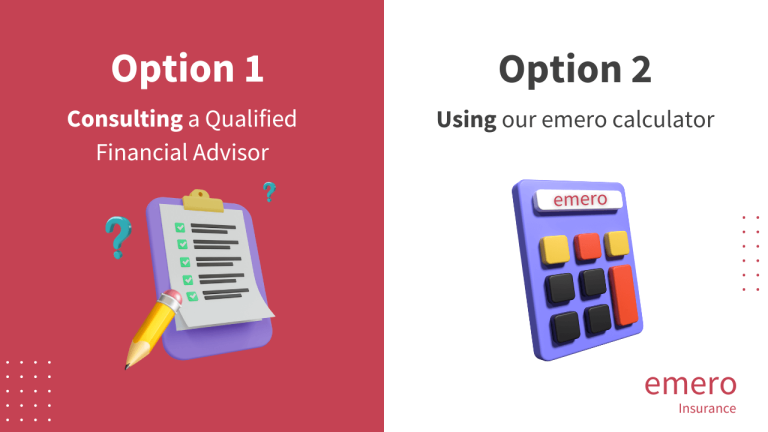
If you’re over 60 and considering life insurance, it can be helpful to discuss your options with a financial adviser before choosing a policy.
An adviser can help you consider the purpose of the cover, how much protection may be appropriate, the types of policies available and the differences between providers.
This can be particularly useful if you have existing medical conditions, want cover for a specific financial commitment or are unsure whether term life insurance or whole of life insurance would be more suitable.
At Emero, we take a personal approach to protection insurance. Our advisers can help you explore life insurance options from a range of providers and understand the cover, costs and conditions before making a decision.
Explore Your Life Insurance Options With Emero
Being over 60 doesn’t automatically mean life insurance is out of reach. The options available will depend on your age, health, financial needs and the type of protection you’re looking for.
Whether you want to provide financial support for your family, cover a particular expense or explore whole of life insurance, understanding your options is a useful first step.
Contact Emero to discuss your circumstances and explore suitable life insurance options.
Life Insurance Ireland
Compare Life Insurance options from a range of leading providers, with personal advice from an Emero adviser.
Prefer to Speak to Us?
Have a question or prefer to speak to an adviser? Give us a call or WhatsApp us.
